Middle Eastern · breakfast, snack
Labneh Balls with Za'atar or Aleppo Pepper in Oil

Video by Middle Eats on YouTube · Open on YouTube · Is this yours?
- Keto (1.8 g net carbs a serve)
- Vegetarian
- Gluten-free ingredients
- No nuts listed
Allergens found in the listed ingredients: Milk, Sesame. Worked out from the ingredient list, not tested. Stock, sauces, spice mixes and other packaged foods can contain allergens, so always read the labels on what you buy. If you have a food allergy, don’t rely on this.
Made from just yoghurt and salt, each ball is about 80 kcal with about 2 g carbs, including the oil that clings to it: a tangy, lighter swap for the same amount of cream cheese (about 135 kcal).
The printable card is ink-friendly, fits on one page and has a QR code back to this recipe.
Ingredients 5
Method
Tap a time to watch that step in the video.
- Wash and sterilise the cloth or nut-milk bag, bowls and jars to keep mould away. Mix 1 kg plain yoghurt with live cultures and ¾ tsp salt very well. 1:02
- Spoon it into the bag, gather the yoghurt at the bottom and clip the bag tight above it. Hang it over a bowl or set it in a strainer for 48 hours, emptying the whey and flipping the bag after 24 hours. Strain in the fridge for a milder taste. 1:31
- Stir the labneh (about 400 g) smooth. With two spoons, drop 40 g blobs onto a tray lined with a tea towel and paper towels, cover with more towels and leave about 24 hours, moving them to dry towels halfway, until firm. 3:15
- Wearing gloves, knead each piece until pliable, then roll it between your palms into a smooth ball with no cracks so it holds together in the jar. 4:38
- Roll half the balls in za'atar and half in Aleppo pepper, pressing the coating on. Stack them in sterilised jars and cover completely with vegetable oil topped with a little olive oil; olive oil alone suits jars eaten within a few weeks. 5:17
- Seal. Kept cool, the jars last a few months; once opened, keep in the fridge and eat within a few weeks. Spread a ball on bread with sliced tomato, olives and mint. 6:18
Tip. Middle Eats sterilises everything with baby-bottle tablets, as any wet spot can grow mould. Throw out any ball that shows mould. For a soft spread instead, strain only 24 hours and keep it in the fridge for 1–2 weeks.
Food safety. Keep it in the fridge with everything covered by oil, and use it within two weeks.
The method is a summary in our words — the video shows every step.
One portion, 1 ball (40 g before drying), gives you 1 of 10
Where the energy comes from one serve
- Net carbs 9%
- Protein 18%
- Fat 73%
Fits keto: 1.8 g net carbs a serve, with 73% of the energy from fat.
Vitamins & minerals % of a day, one serve · tap for more
Omega-3 High28%
0.4 g a serve, mostly from vegetable oil (93%). Omega-3 fats support the heart and brain. Oily fish give EPA and DHA; walnuts, flax, chia and canola give ALA, which the body converts only a little.
Vitamin B12 Source12%
0.3 µg a serve, mostly from plain dairy yoghurt (100%). Keeps nerves and blood cells healthy. Found almost only in animal foods and fortified foods (some plant milks, nutritional yeast), so vegans need a reliable source.
Show the other 13
Vitamin E7%
1 mg a serve, mostly from vegetable oil (77%). An antioxidant that protects cell membranes. Nuts, seeds and plant oils such as olive oil are the main sources.
Selenium7%
3.9 µg a serve, mostly from plain dairy yoghurt (99%). Part of the body's antioxidant enzymes and needed for thyroid hormones. Seafood, eggs, meat and Brazil nuts are rich sources.
Vitamin K6%
6.7 µg a serve, mostly from vegetable oil (48%). Needed for blood clotting and bones. Leafy greens and herbs are very rich in it. If you take warfarin, keep your intake steady and talk to your doctor.
Calcium4%
53 mg a serve, mostly from plain dairy yoghurt (83%). Builds bones and teeth and helps muscles and nerves work. Dairy, calcium-set tofu, sardines with their bones and some greens supply it.
Vitamin A3%
29 µg a serve, mostly from plain dairy yoghurt (56%). Keeps eyes, skin and the immune system healthy. Orange vegetables and dark greens give beta-carotene, which the body turns into vitamin A.
Potassium2%
70 mg a serve, mostly from plain dairy yoghurt (76%). Balances sodium to help control blood pressure and keeps muscles and nerves working. Beans, potatoes, leafy greens and fruit are rich sources.
Iron2%
0.3 mg a serve, mostly from za'atar (63%). Carries oxygen in your blood. Iron from plants absorbs better with vitamin C in the same meal — lemon, tomato or capsicum.
Magnesium2%
6.6 mg a serve, mostly from plain dairy yoghurt (66%). Takes part in hundreds of reactions — energy, muscles, nerves, blood sugar and bones. Nuts, seeds, legumes and whole grains are good sources.
Zinc2%
0.2 mg a serve, mostly from plain dairy yoghurt (85%). Needed for immunity, wound healing, taste and growth. Meat, seafood, legumes, seeds and whole grains supply it.
Folate2%
6.2 µg a serve, mostly from plain dairy yoghurt (77%). Needed to make DNA and new cells — especially important before and in early pregnancy. Legumes and leafy greens are rich sources.
Vitamin B62%
0 mg a serve, mostly from plain dairy yoghurt (61%). Helps turn food into energy and make brain messengers. Chickpeas, fish, poultry, potatoes and bananas are good sources.
Vitamin C0%
0 mg a serve, mostly from za'atar (72%). An antioxidant needed for collagen, immunity and iron absorption. Long cooking destroys some, so raw herbs, citrus and capsicum help.
Vitamin D0%
0 µg a serve. Helps you absorb calcium for bones and supports muscles. Few foods have much — oily fish, eggs, UV-exposed mushrooms, fortified milks. Sunlight is the main source.
Estimated from the ingredient list with USDA FoodData Central values; % of a day uses the food-label daily values. How this works
You might also like
 Green Shakshuka with Spinach, Herbs and FetaMiddle Eastern · 438 kcal · 18 g protein
 Lebanese Baba GanoushMiddle Eastern · 102 kcal · 2.5 g protein
 Mutabbal Shawandar (Roasted Beetroot and Tahini Dip)Middle Eastern · 149 kcal · 4.3 g protein
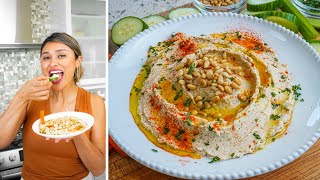 Roasted Cauliflower Hummus with Pine NutsMiddle Eastern · 218 kcal · 5.3 g protein
 Easy Creamy HummusMiddle Eastern · 130 kcal · 4 g protein
 Ful Medames, Alexandrian StyleMiddle Eastern · 408 kcal · 13 g protein
Recipe and video by Middle Eats; the method summary, nutrition estimate and diet notes are Notbroken’s. General information about food, not dietary advice.